

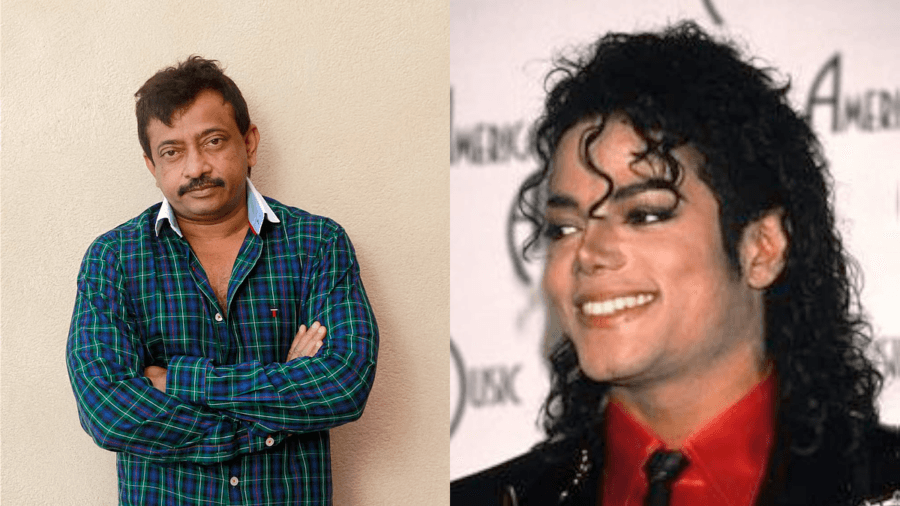
Ram Gopal Varma watched Michael — Antoine Fuqua’s biographical film on Michael Jackson, with Jackson’s nephew Jaafar Jackson in the lead role — and came out of it with something he needed to write down. The note he posted is not a review. It is a reckoning with what Jackson’s death did to a specific kind of belief.
It started in Vijayawada, January 2, 1984. Varma was an engineering student. A friend dragged him to a small video parlour. He watched the Thriller music video for the first time. “It was not just a song and a dance. It felt like an invasion,” he wrote. That moment, he said, reshaped everything he understood about artistic expression.
Twenty-five years later, June 25, 2009. Varma saw the words on a CNN screen: Michael Jackson had died. He called it “a horrible day.” Not because of grief in the conventional sense. Because of what the fact of Jackson’s death proved. “I hate that he needed oxygen and blood like us. I hate that his heart could stop beating. I hate that I lived to see the words ‘Michael Jackson’s body has been taken to the morgue’ on CNN.”
The Specific Nature of the Betrayal
Varma’s language is precise about what he felt. He described Jackson as someone he had always imagined to be either God or a specific creation of God — a being for whom normal human mortality simply could not apply. Accepting that Jackson breathed the same air, had the same blood running through him, was something Varma said he found genuinely difficult.
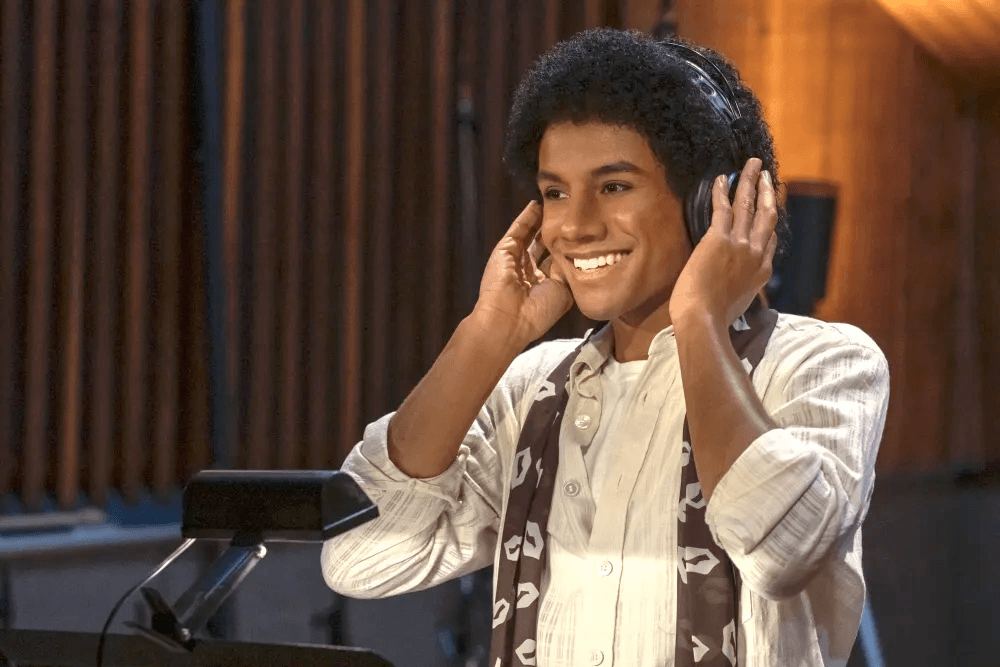
“He stabbed me in the back. He betrayed my imagination,” RGV wrote. The line that follows is the one that stays: “I prefer to imagine Jackson moonwalking between the constellations.”
He also addressed the controversies around Jackson directly — and dismissed them in one sentence. Whatever was said about him, the experience Jackson gave his senses and his artistic imagination was above all of it.
The film Michael is directed by Antoine Fuqua and traces Jackson’s life from childhood. Jaafar Jackson, his nephew, plays the lead.


Leave a Reply