

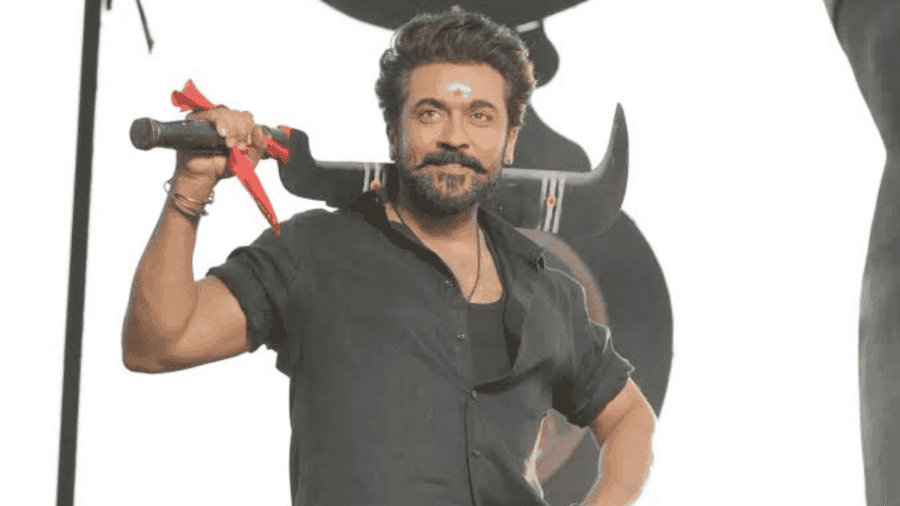
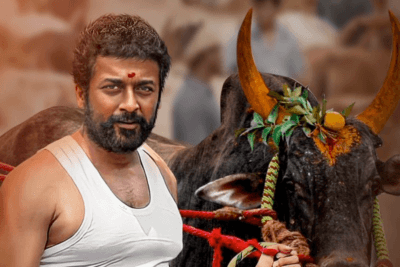
Suriya had finished everything asked of him. Promotions done, Mumbai visit wrapped, duties complete. Then his phone rang. The call, according to figures circulating widely on Tamil film social media, asked him to step in and absorb roughly ₹30 crore of Karuppu’s mounting debt — adding to the ₹100 crore he reportedly already took ownership of following Kanguva’s box office failure last year. The running total attributed to him now stands at ₹130 crore. None of this has been officially confirmed by Suriya or his team at press time.
If even partially accurate, it is a staggering position for a star who had no producing role in Karuppu. Dream Warrior Pictures, the production house behind the film, is understood to owe over ₹50 crore across multiple financiers — a crisis that forced the postponement of May 14 shows, triggered fan protests outside Puducherry theatres, and led to unauthorised screenings in parts of North India before the team intervened.
The Debt Map
The financier breakdown circulating across Tamil film accounts is specific enough to carry detail, though it remains unverified by any named party. According to those figures: Jaswanth Bhandari provided ₹60 crore, Tiruppur Subramaniam ₹20 crore (with ₹13 crore reportedly settled and ₹7 crore still pending), Madurai Anbu ₹13 crore, and Azhagar ₹9 crore. A separate ₹4 crore refund to Red Giant Studios connected to losses from Karthi’s Japan is also mentioned in the same accounts.
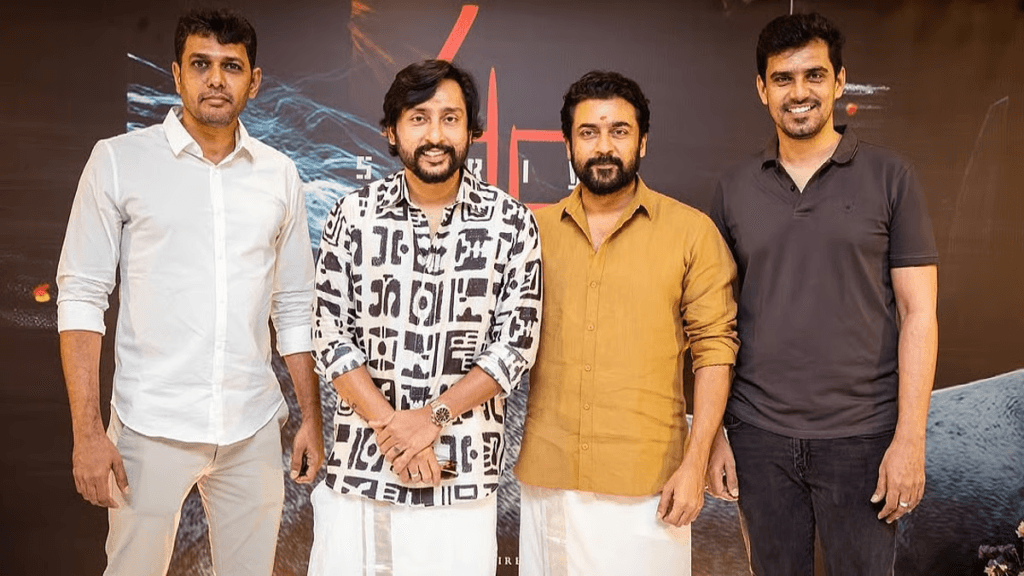
The Karthi angle is worth noting separately. Jaswanth Bhandari’s ₹60 crore exposure is reportedly being backed by Karthi putting up his film Marshal as collateral for secondary financing. Marshal’s shoot is already said to be running into its own financial friction — Japan’s losses having created a ripple that is now touching multiple productions simultaneously.
How a ₹140 Crore Film Got Here
Karuppu was greenlit during a period when OTT valuations for Tamil content were climbing. At ₹140 crore, the budget was ambitious but not irrational at the time — GK Vishnu’s cinematography alone, including his fee, reportedly accounted for ₹10 crore of that figure. An OTT platform came in early with an ₹80 crore offer for digital rights. Producer SR Prabhu held out for more.
That decision looks costly now. The OTT rights eventually sold for ₹42 crore — a ₹38 crore drop from the offer that was reportedly on the table. By the time the theatrical release date arrived, the gap between what the film had earned on paper and what it owed in the real world had become a crisis with a release date attached to it.
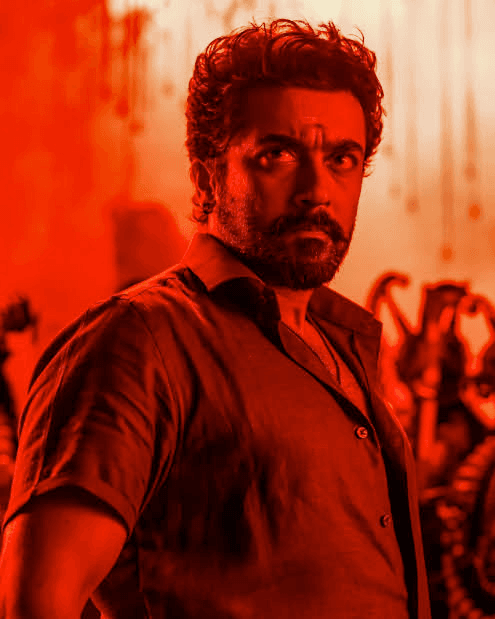
PVR INOX confirmed May 15 as the new release date. The film — a Suriya and Trisha Krishnan reunion nearly two decades after Aaru, directed by RJ Balaji — will reach screens a day late. Producer SR Prabhu apologised publicly on X in the early hours of May 14, confirming the show cancellations and citing financial hurdles.
What Comes Next for Suriya
The ₹130 crore figure, if it holds, does not disappear quietly. According to the same social media accounts, Suriya’s plan is to work through the debt via Zhagaram Studios — the production company tied to his upcoming projects, including Suriya 47 — by committing to a slate of films under that banner. It is, in effect, mortgaging future work to settle present obligations.
A star taking financial ownership for a film he did not produce, on top of a nine-figure loss from his previous release, is not a small story. Whether Suriya’s team addresses it formally remains to be seen. For now, the figure circulates — and the phone call that interrupted his Mumbai trip has already become the detail fans keep coming back to.


Leave a Reply