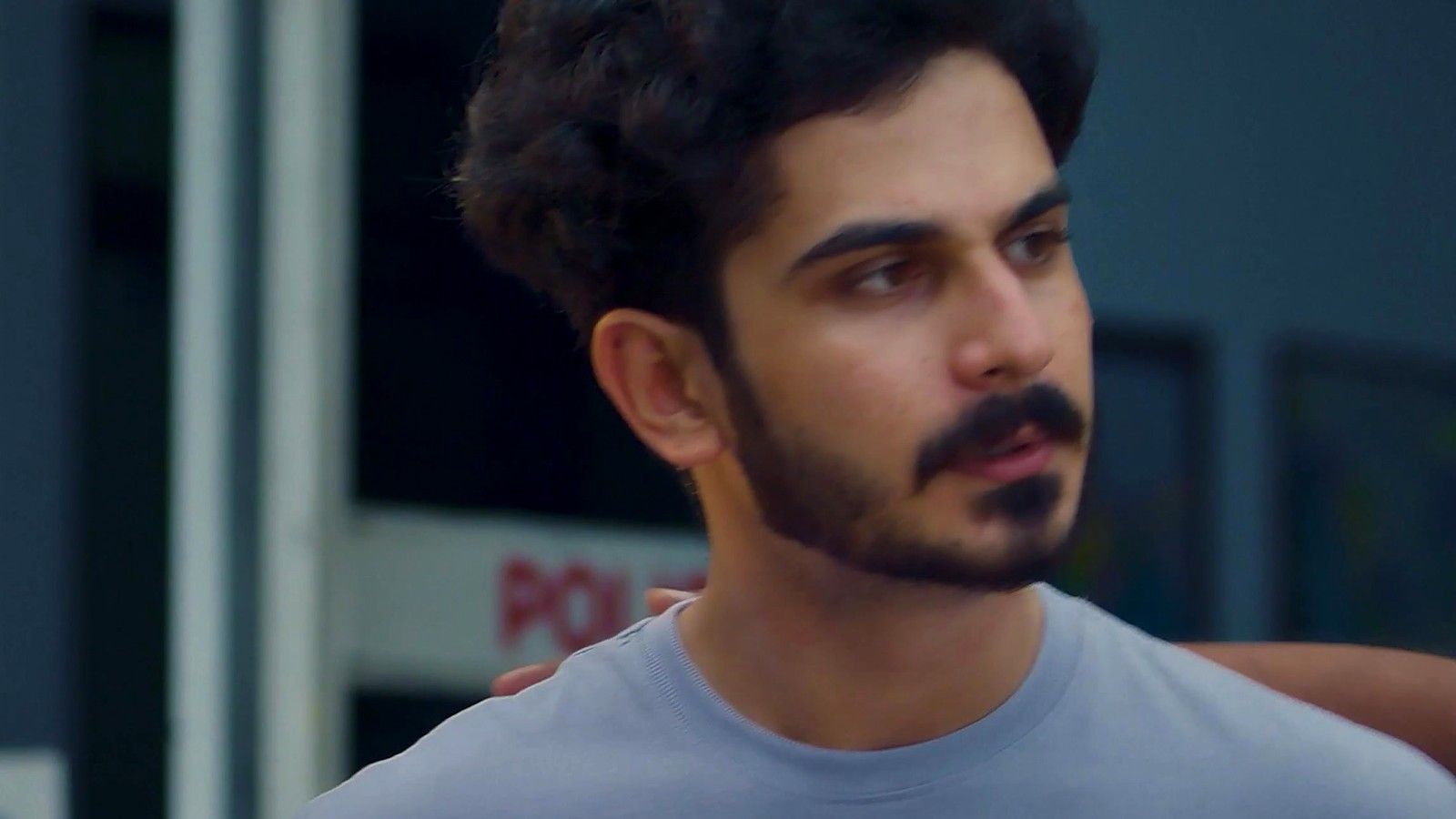
Verdict: A timely idea about money, media and misinformation, held up by an earnest Mathew Thomas, but buried under heavy-handed symbolism and characters who never become people.
Rating: 2/5
Director: Salaam Bukhari | Writer: Alan Rodney | Cast: Mathew Thomas, Siddique, Dileesh Pothan, Sudev Nair, Ashokan, Milind Soman, Sreenath Bhasi (cameo) | Music: Gopi Sundar | Language: Malayalam | In theatres
A small-town TV channel taking on a powerful disinformation machine is the kind of premise that should feel urgent right now. Udumbanchola Vision has that idea, and a lead actor who believes in it completely. What it does not have is a script that trusts its audience.
Story
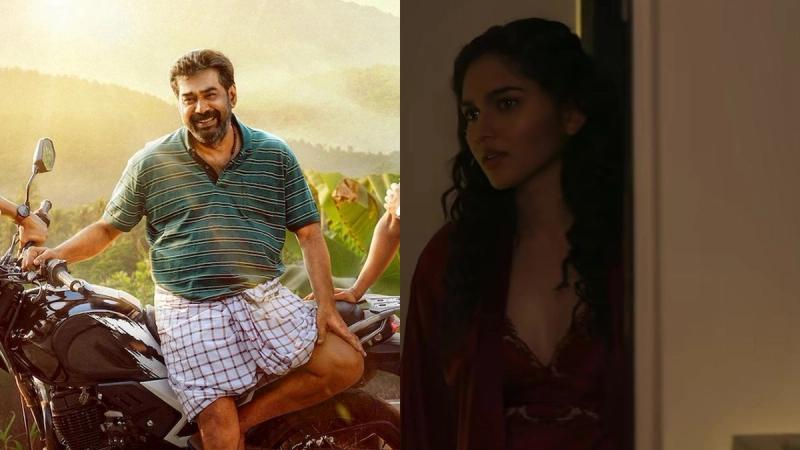
Mithun works as a photographer at a studio run by Chandran Nair (Ashokan) in the hill town of Udumbanchola. A chance act of courage, saving the elderly Moosa Haaji (Siddique), changes his life. Moosa hands him the keys to Udumbanchola Vision, a local cable channel once run by his late son Zacharia. With the help of George (Dileesh Pothan), Mithun tries to bring the dusty little station back to life, only to find himself up against Omar Wasim (Sudev Nair), whose slick, well-funded channel deals in rumours and outrage. The film is about what happens when a stubborn small voice refuses to be drowned out, and we will leave the rest for the theatre.
Performances
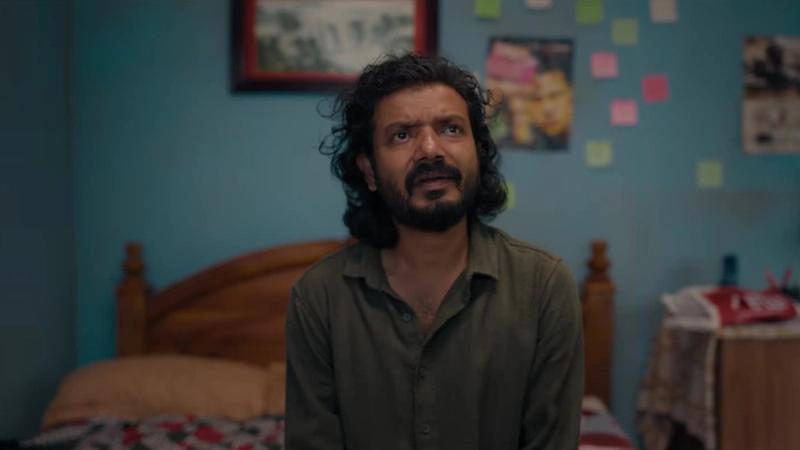
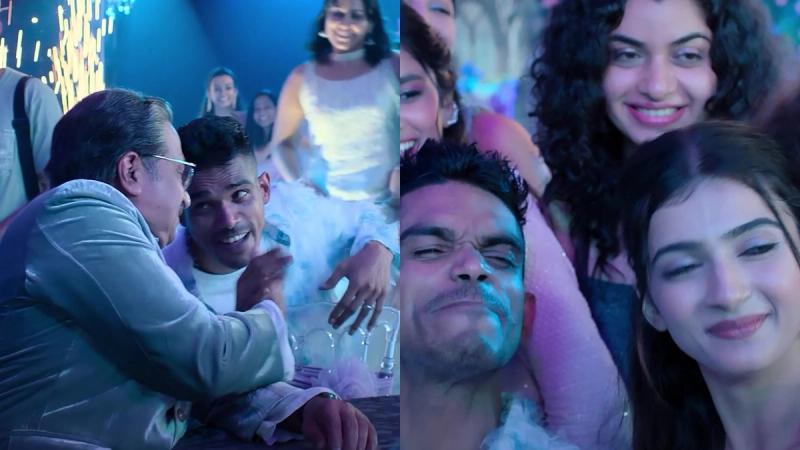
Mathew Thomas is the best reason to watch. This is a more grown-up part than his teen roles, and he plays Mithun with real sincerity, especially in the emotional scenes where the young man's ideals start to cost him. He also handles the few action beats with more conviction than you might expect. Siddique brings warmth and gravity to Moosa in limited screen time, and Dileesh Pothan is a dependable, dryly funny sidekick. Sudev Nair looks the part of a media baron but is given a villain with no inner life. Sreenath Bhasi makes his cameo as Zacharia count, while Milind Soman is a curious bit of casting that the film never really uses.
Direction and technical work
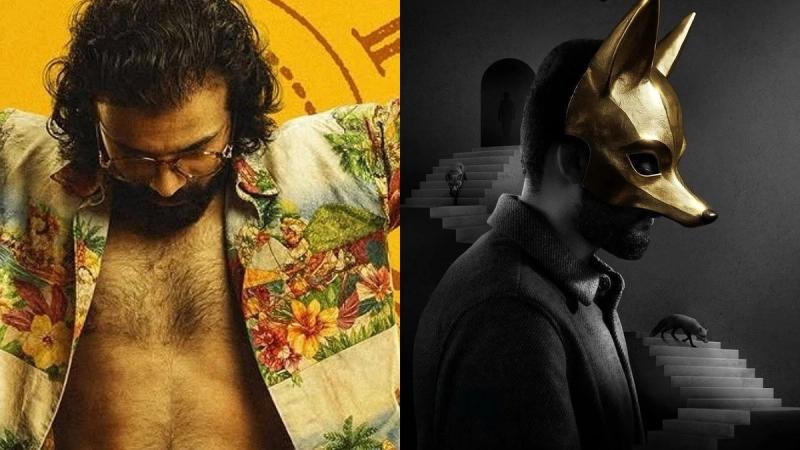
Salaam Bukhari clearly wants to make a fable, and he signals it early with an animated opening and a punchy title song featuring rapper Dabzee. The trouble is that the film keeps underlining its own message. Symbol after symbol is pushed so hard that it stops meaning anything, and Alan Rodney's script tells us who is good and who is corrupt long before the story earns it. The hill-town settings look lovely, and Gopi Sundar's music gives the quieter moments some lift, but several scenes run well past their point, and the second half loses the thread.
The animated opening and Dabzee's title track promise a playful fable, and for a while the film delivers it. Its sharpest stretch is the one where a single viral clip from Omar Wasim's channel turns Udumbanchola against Mithun, a sequence that shows how fast a small town's mood can be bent. Once the film swaps that texture for symbols, Mathew Thomas is left carrying scenes that have already made their point.
A satire with a target
Kerala has a long, lively culture of local cable channels, the kind that once covered every temple festival and panchayat fight. Setting a media satire inside one is a genuinely smart choice, and the film is at its best when it shows how a big channel can bend a small town's mood with a single viral clip. Those scenes feel close to the WhatsApp-forward era we live in. If the film had stayed with that texture instead of reaching for grand metaphors, it could have been sharp and memorable.
What works
- Mathew Thomas's earnest, committed lead performance
- A relevant premise about money's grip on news
- Siddique and Dileesh Pothan in solid support
What doesn't
- Symbolism that hammers the message home again and again
- A flat, one-note villain and thinly written side characters
- A draggy second half that loses focus
Final word
Udumbanchola Vision has its heart in the right place and a lead who carries it further than the writing deserves. Fans of Mathew Thomas will find enough to admire, but as a satire on fake news, it shouts when it should have whispered. Worth a look on OTT rather than a trip to the theatre.